The Fake Dating Trope: Why We Love It
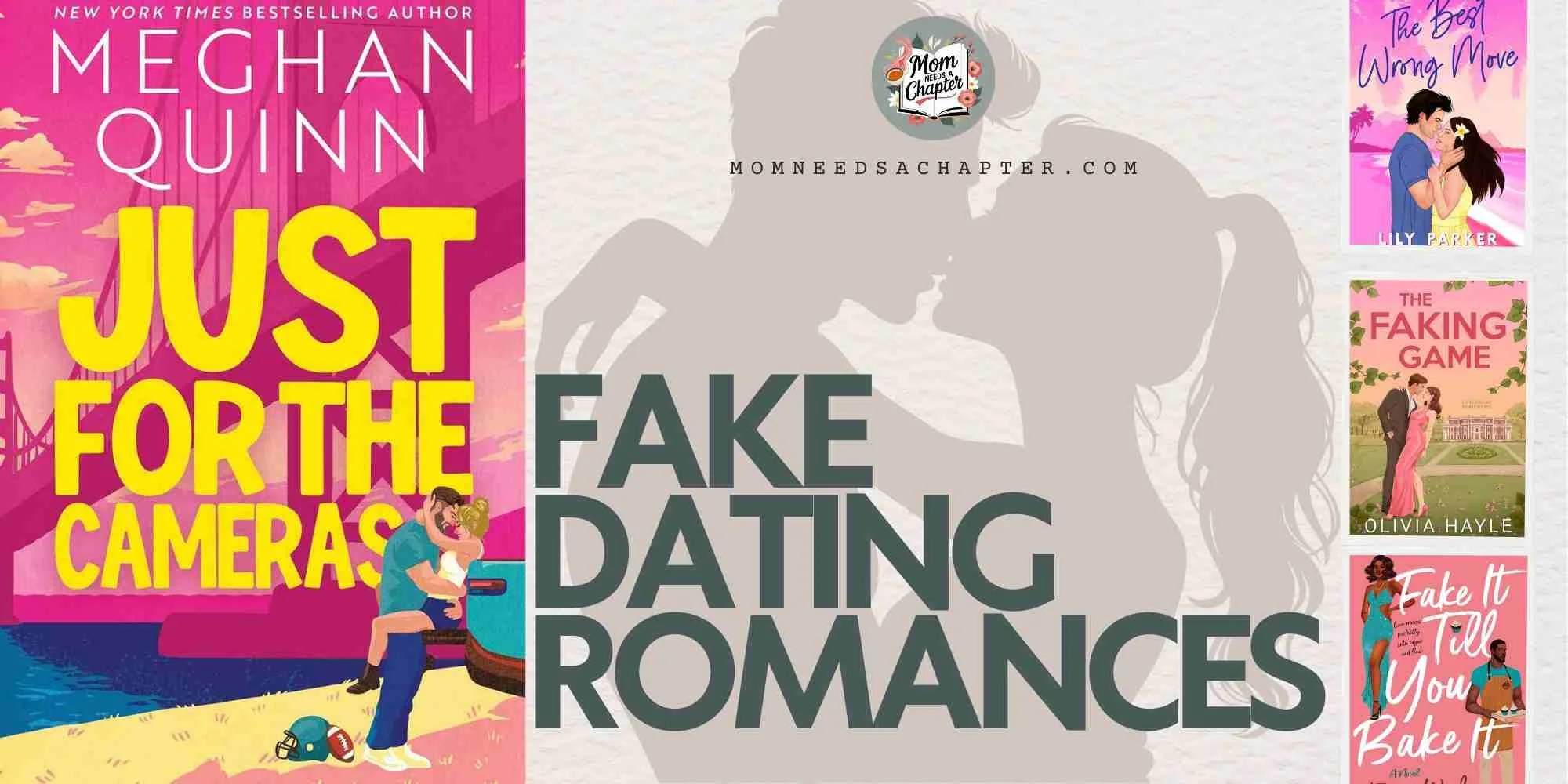
The fake dating trope is one of the most recognizable setups in romance fiction. Two characters pretend to be in a relationship for practical reasons, only to find that their feelings are anything but pretend. It is a simple concept that continues to resonate with readers across subgenres, from romantic comedy to fantasy romance.
Fake dating remains popular because it creates instant chemistry and emotional tension. Readers know that the relationship is not real at the start, which makes every shared glance and lingering touch feel meaningful. The arrangement forces characters into close proximity while also giving them an excuse to hide their feelings. That combination is exactly what makes the trope so satisfying.
The fake relationship trope has been a romance staple for decades, but it continues to evolve. Modern fake dating stories often lean into emotional realism, exploring vulnerability, healing, and personal growth alongside the romantic tension. The trope offers the comfort of familiarity while still allowing for fresh storytelling.
If you love romance novels where pretend feelings turn into something real, this guide explores why fake dating works so well and highlights some of the best fake dating romance books from the past two years.
Disclosure: This blog post contains affiliate links. If you click through and make a purchase, I may earn a small commission at no additional cost to you. Thank you for supporting my work.
What Is the Fake Dating Trope?
The fake dating trope centers on two characters who agree to pretend they are in a romantic relationship. The reasons vary widely. They might need to impress family members, improve a public image, make an ex jealous, or solve a practical problem. Whatever the motivation, the arrangement is meant to be temporary. Of course, romance readers know how that usually ends.
The fake relationship trope works because it comes with built-in story beats. The characters must spend time together, learn about each other, and convince others that their relationship is real. Those situations create natural opportunities for emotional intimacy and romantic tension.
Why Readers Love Fake Dating Romance
Forced Proximity Without Commitment
Fake dating gives characters a reason to spend time together before they are emotionally ready. They attend events together, meet friends and family, and share personal details in order to maintain the illusion. This setup allows intimacy to develop gradually. The characters get to know each other while still pretending that their connection is not real.
There is something comforting about watching characters fall in love in a controlled environment. The arrangement provides structure while emotions grow naturally underneath it.
The Line Between Pretend and Real
One of the most appealing aspects of fake dating is the slow shift from performance to authenticity. At the beginning, every romantic gesture has a practical purpose. A hand on the waist might be for show. A kiss might be part of the act. Over time, those gestures start to mean something more.
Readers get to watch that transition happen in real time. The characters often notice the change before they are willing to admit it, which creates emotional tension that keeps the story moving forward.
Mutual Participation
Unlike some romance tropes that rely on secrets or misunderstandings, fake dating usually involves both characters agreeing to the plan. They set the rules together. They maintain the illusion together. This creates a sense of partnership early in the story. Even before romance develops, the characters are working toward a shared goal. That cooperation often lays the foundation for trust and emotional connection.
Emotional Safety
Fake dating offers a kind of emotional safety net. Characters can explore closeness without fully committing. If things go wrong, they can claim it was never real in the first place. That illusion of safety makes the eventual emotional payoff even stronger. When the characters fall in love, they have to confront feelings they can no longer dismiss as part of the act.
Popular Fake Dating Scenarios
While the core idea stays the same, fake dating shows up in many different forms.
Fake Dating to Impress Family
This version often involves holidays, weddings, or family gatherings. The characters pretend to be in a relationship to avoid questions or meet expectations. These stories often focus on belonging and acceptance alongside romance.
Fake Dating for Public Image
In celebrity or workplace romance, fake dating is often used to improve a reputation or avoid scandal. This variation tends to include public appearances and high stakes situations that add tension to the story.
Fake Dating After a Breakup
Some characters agree to fake date to prove they have moved on from a past relationship. These stories often explore healing and self-discovery.
Fake Dating Between Rivals
When characters start out as enemies or competitors, fake dating forces them to work together despite their differences. This variation often includes strong banter and emotional growth.
Best Fake Dating Romance Books
If you are looking for recent fake dating romance books to add to your TBR, these titles offer a mix of humor, emotion, and romantic tension.
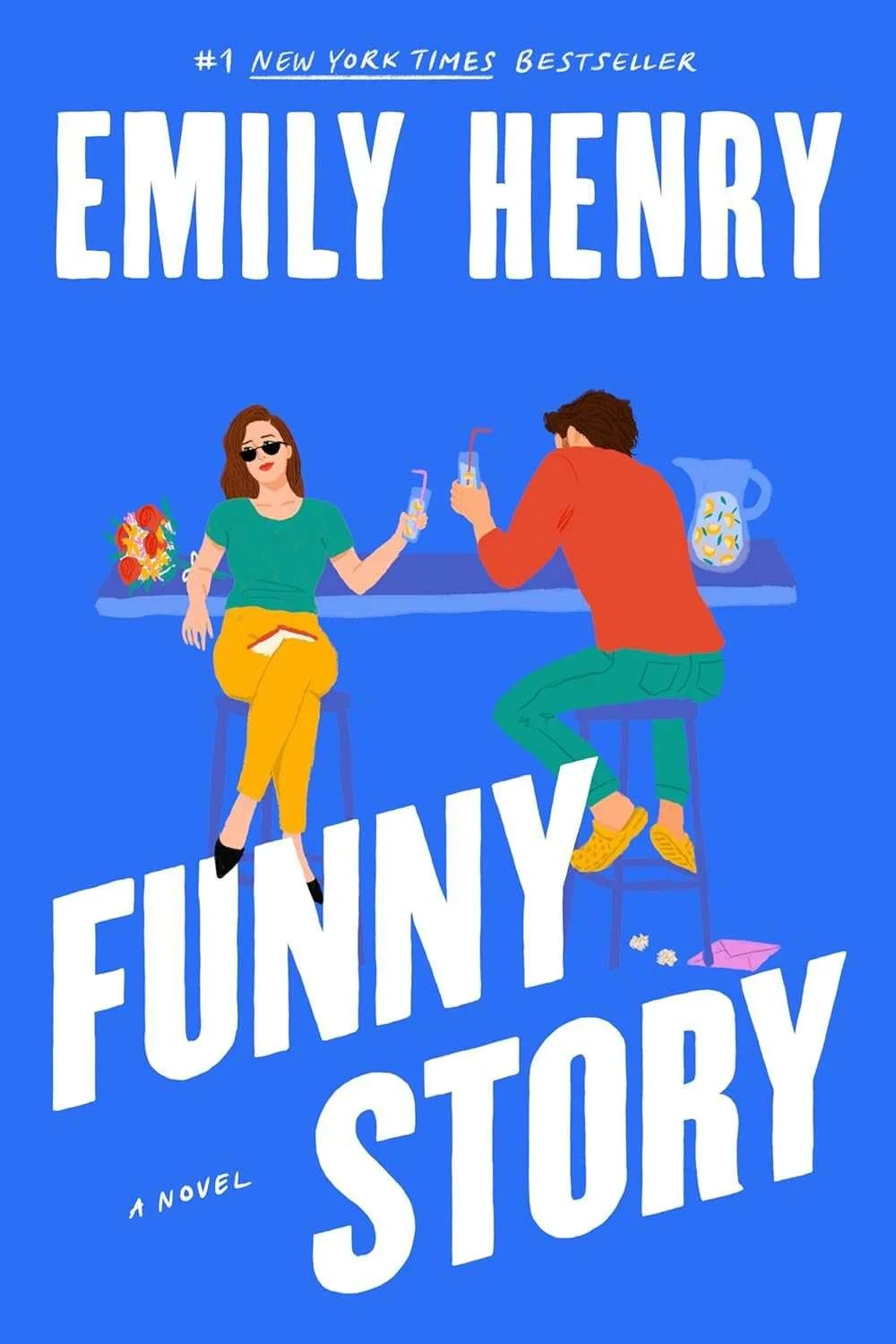
Funny Story by Emily Henry
In this contemporary romance, Daphne’s fiancé leaves her for his best friend, and she ends up living with Miles, whose girlfriend also left him for the same couple. The two decide to pretend to date to make their exes jealous, and the arrangement quickly becomes more complicated than either of them expected.
The fake dating setup works particularly well here because it grows out of shared heartbreak. Both characters are trying to rebuild their lives, and the pretend relationship becomes a space where they can heal.
Why it works
Emotional depth
Strong character growth
Fake dating to make exes jealous
Roommates to lovers vibes
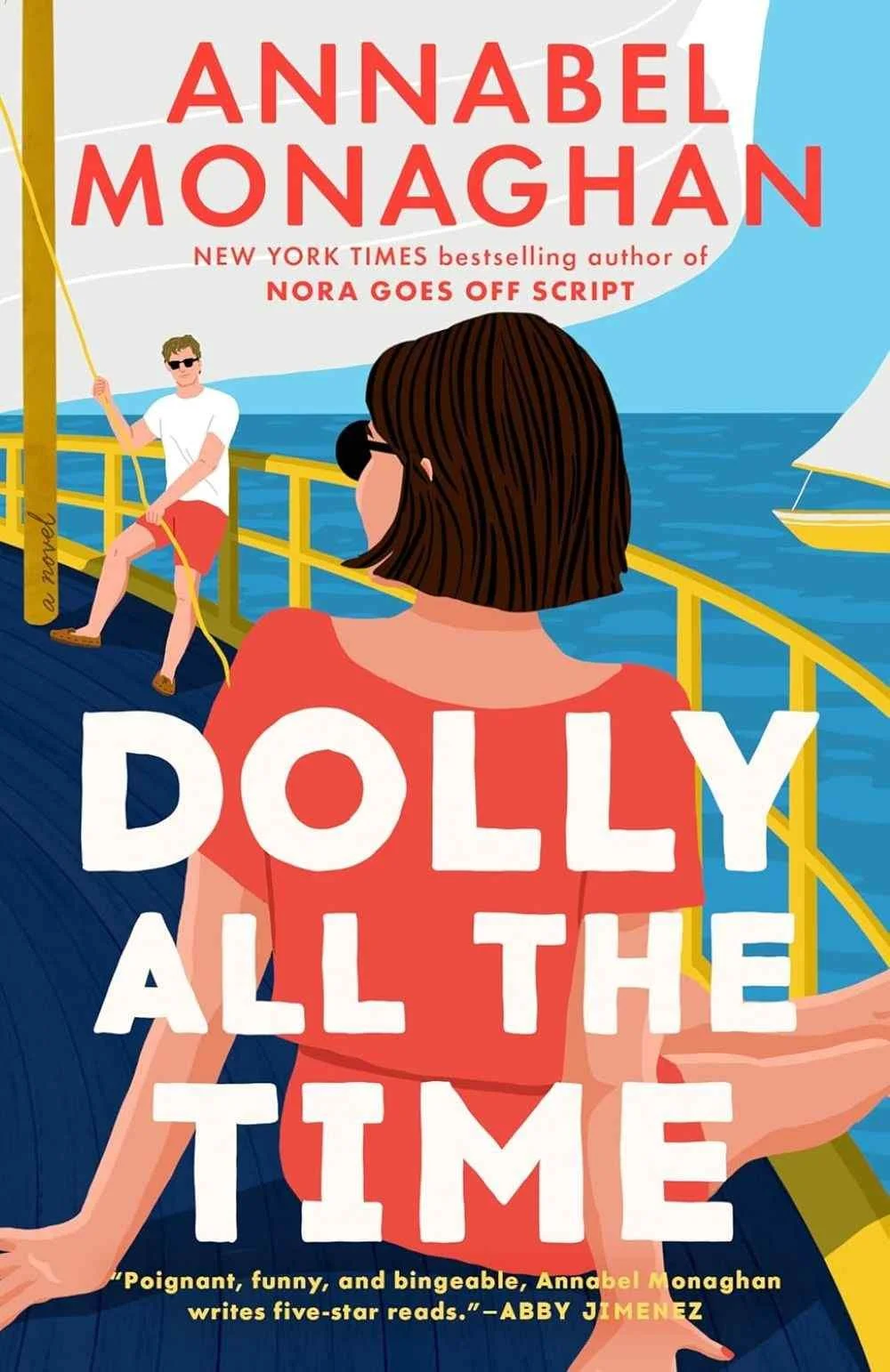
Dolly All the Way by Annabell Monaghan
This contemporary romance follows a hardworking single mom who returns to her seaside hometown and enters a fake dating arrangement with a wealthy, charming scion. As their staged romance plays out at dinners, parties, and summer sunsets, pretending turns into unexpected chemistry and emotional connection.
The story uses the fake dating trope to explore trust, vulnerability, and the thrill of discovering love when you least expect it.
Why it works
Fake dating with escalating romantic tension
Strong emotional growth for both characters
Sweet, spicy, and heartfelt summer romance
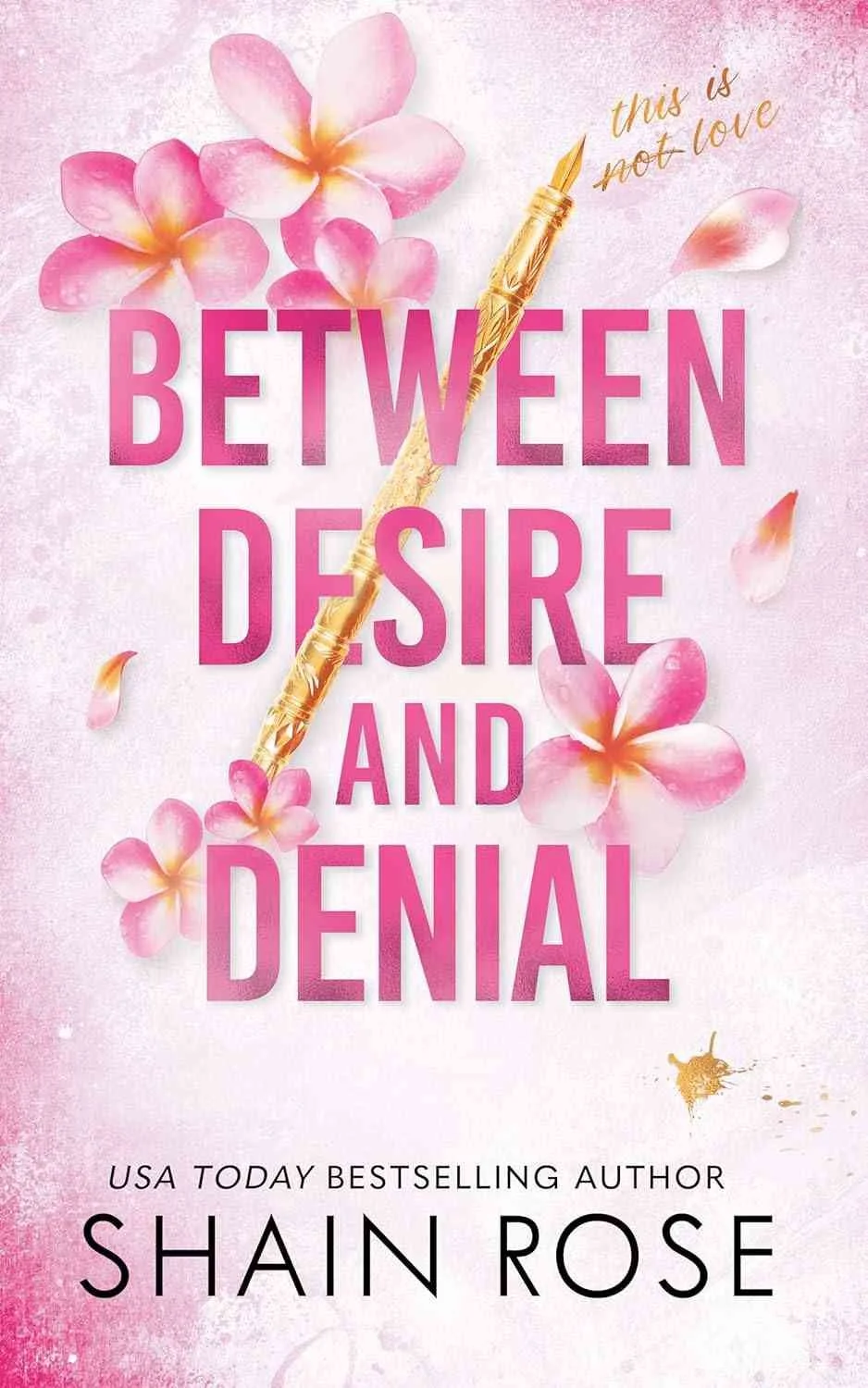
Between Desire and Denial by Shain Rose
This billionaire romance uses fake dating as part of a strategic arrangement when Dimitri and his longtime friend agree to pretend to be in a relationship to help him gain the trust of her wealthy hometown. What begins as a mutually beneficial plan becomes more complicated as they move in together and their undeniable attraction grows harder to ignore.
The fake dating works especially well here because their shared history and close proximity blur the line between friendship and something more.
Why it works
Fake dating for social acceptance
Billionaire romance
One bed trope
Friends to lovers tension
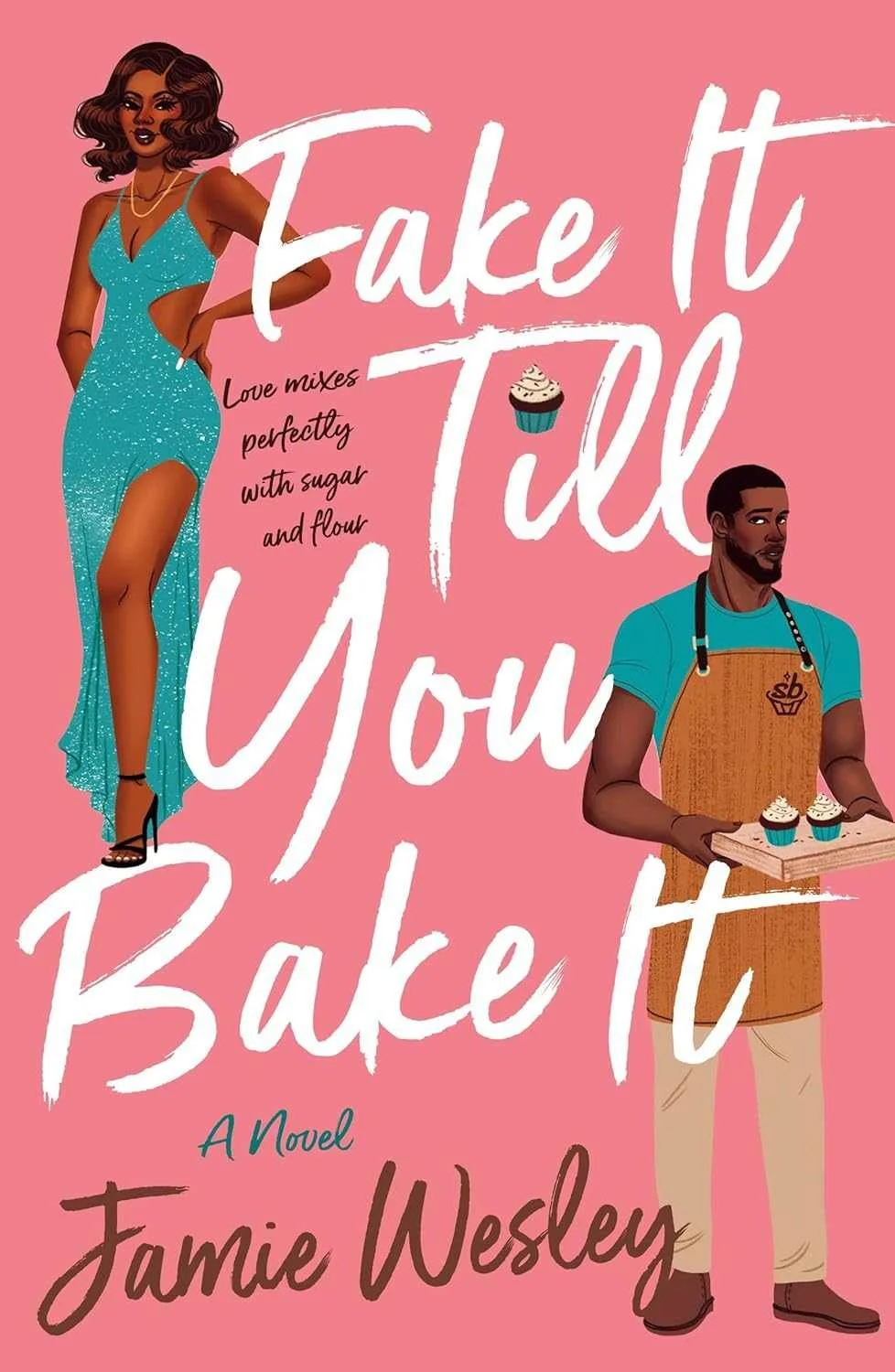
Fake It Till You Bake It by Jamie Wesley
This sports romance uses fake dating to turn a media misunderstanding into an opportunity. When reality TV star Jada is mistakenly linked to professional football player Donovan, the two decide to play along in order to help his struggling bakery and repair her public image. What starts as a strategic arrangement soon becomes more complicated as their on camera chemistry begins to feel genuine.
The fake dating setup works especially well here because the relationship is tied to reputation and public perception, raising the stakes as their feelings grow.
Why it works
Fake dating for publicity
Sports romance
Opposites attract
Workplace romance
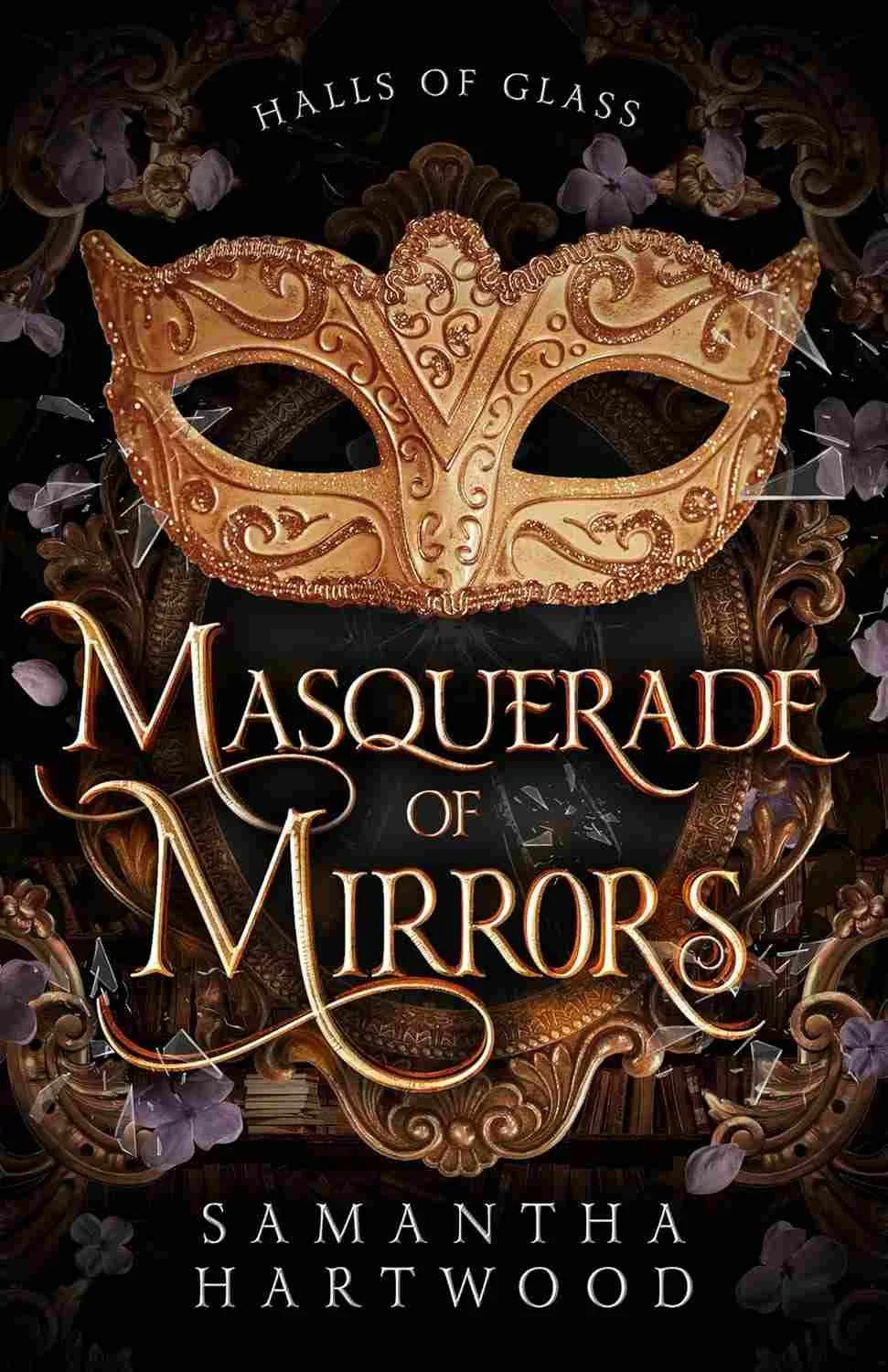
Masquerade of Mirrors by Samantha Hartwood
This fantasy romance blends fake dating with dangerous magic and forced proximity. After being kidnapped and taken to a deadly school of illusions, Taera is forced to rely on Nikolai, a powerful and secretive mage who agrees to help train her magic under one condition. She must pretend to be his.
The fake relationship begins as a strategic partnership, but the constant deception and growing trust between them blur the line between illusion and reality.
Why it works
Fake dating as a magical partnership
Forced proximity
Dark academy setting
Slow burn tension

The Best Wrong Move by Lily Parker
This tropical romance uses fake dating as the perfect revenge plan after a public breakup sends celebrity news anchor Olivia fleeing to Hawaii. When she runs into her ex with a new girlfriend, a charming surfer named Dom steps in as her fake date. What begins as a simple plan to save face quickly becomes more complicated as their chemistry grows harder to ignore.
The fake dating works especially well in this vacation setting, where forced proximity and high emotions make it difficult to keep their relationship strictly pretend.
Why it works
Fake dating for revenge
Vacation romance
Forced proximity
Opposites attract
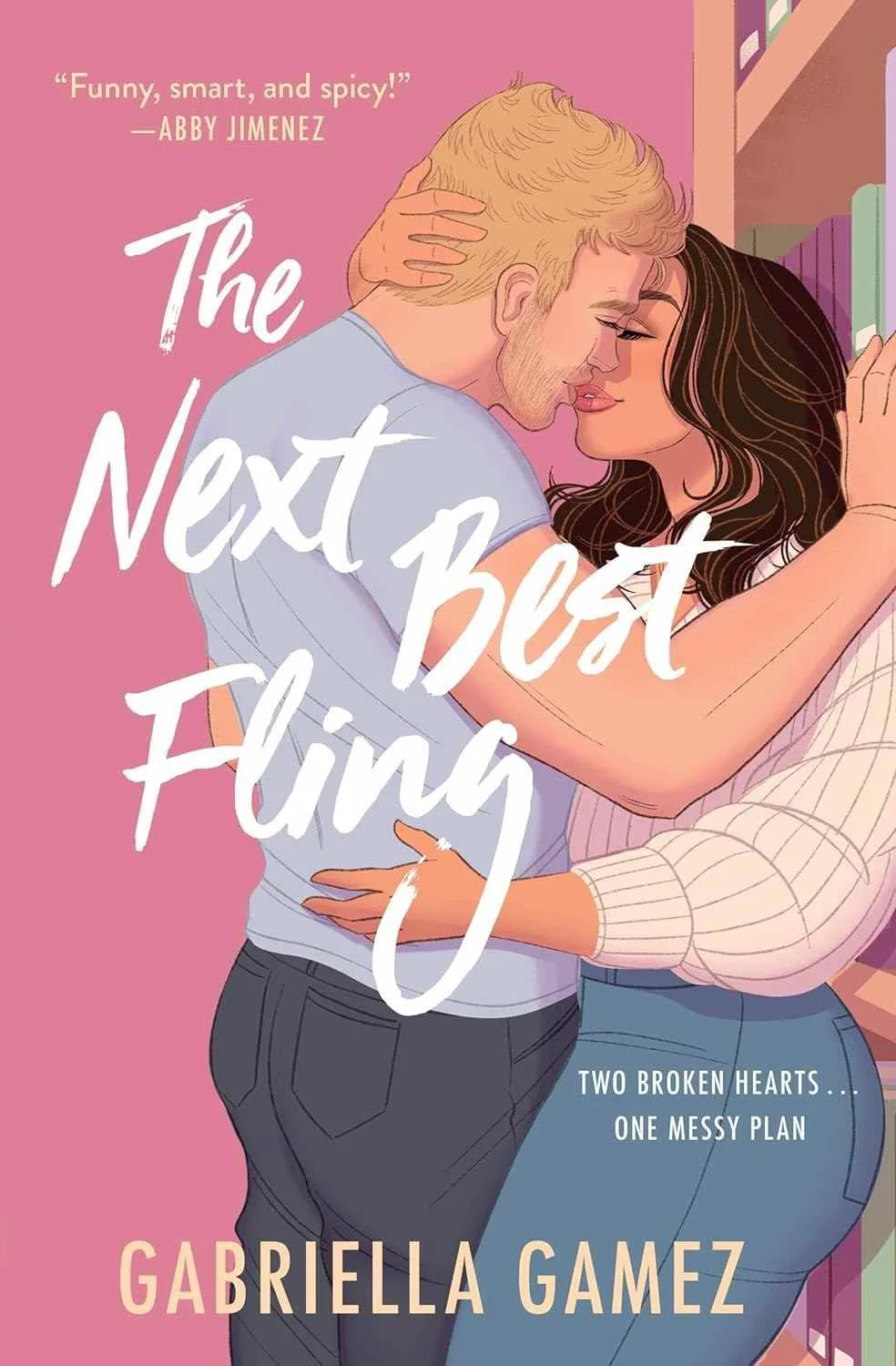
The Next Best Fling by Gabriella Gamez
This contemporary romance features a fake relationship designed to help both characters move on from past heartbreak. As they maintain the illusion, they begin to develop real feelings that neither of them expected.
Fake dating works especially well in stories about healing because it allows characters to move forward at their own pace. The arrangement creates structure while emotions develop naturally underneath.
This book highlights how fake dating continues to evolve as a trope, offering both humor and emotional growth.
Why it works
Healing after heartbreak
Emotional vulnerability
Slow build romance

Reluctantly Yours by Erin Hawkins
This workplace romance uses fake dating as part of a business arrangement when Barrett convinces Chloe to pose as his girlfriend to help secure an important deal. What begins as a mutually beneficial agreement becomes more complicated as their growing attraction makes it harder to keep emotions out of the equation.
The fake dating works especially well here because the professional stakes force them to maintain the illusion in high pressure situations, blurring the line between business and real feelings.
Why it works
Fake dating for business
Workplace romance
Opposites attract
Forced proximity
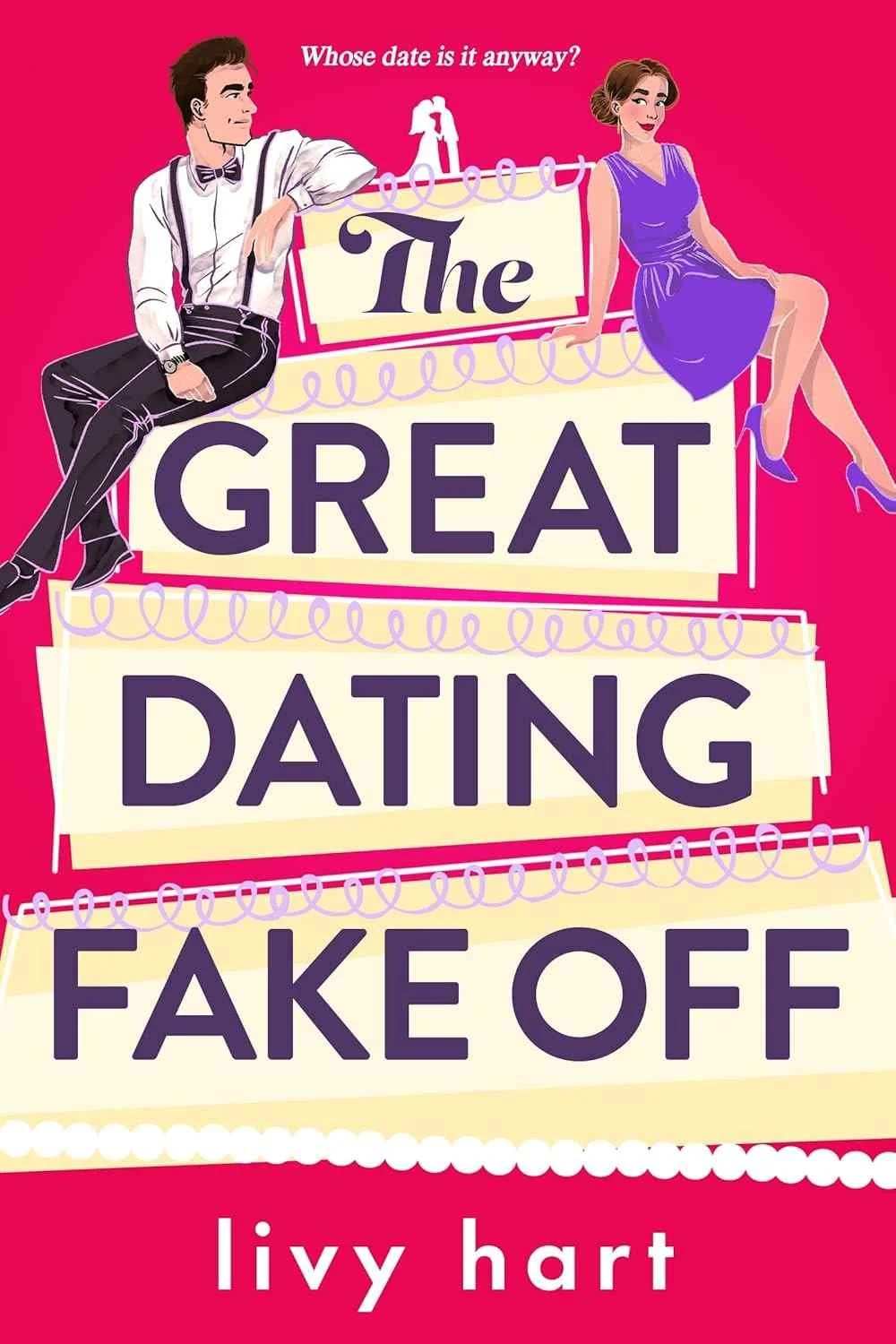
The Great Dating Fake Off by Livy Hart
This wedding romance turns fake dating into full chaos when Nora agrees to pose as her best friend’s girlfriend during an over-the-top Italian family wedding. Things get complicated when her real crush, Sebastian, shows up with a fake date of his own, leaving them both stuck maintaining their pretend relationships while trying to ignore their very real attraction.
The fake dating works especially well here because multiple pretend couples and constant family scrutiny raise the stakes, making every interaction a potential slip.
Why it works
Wedding setting
Multiple fake couples
Forced proximity
Friends to lovers tension
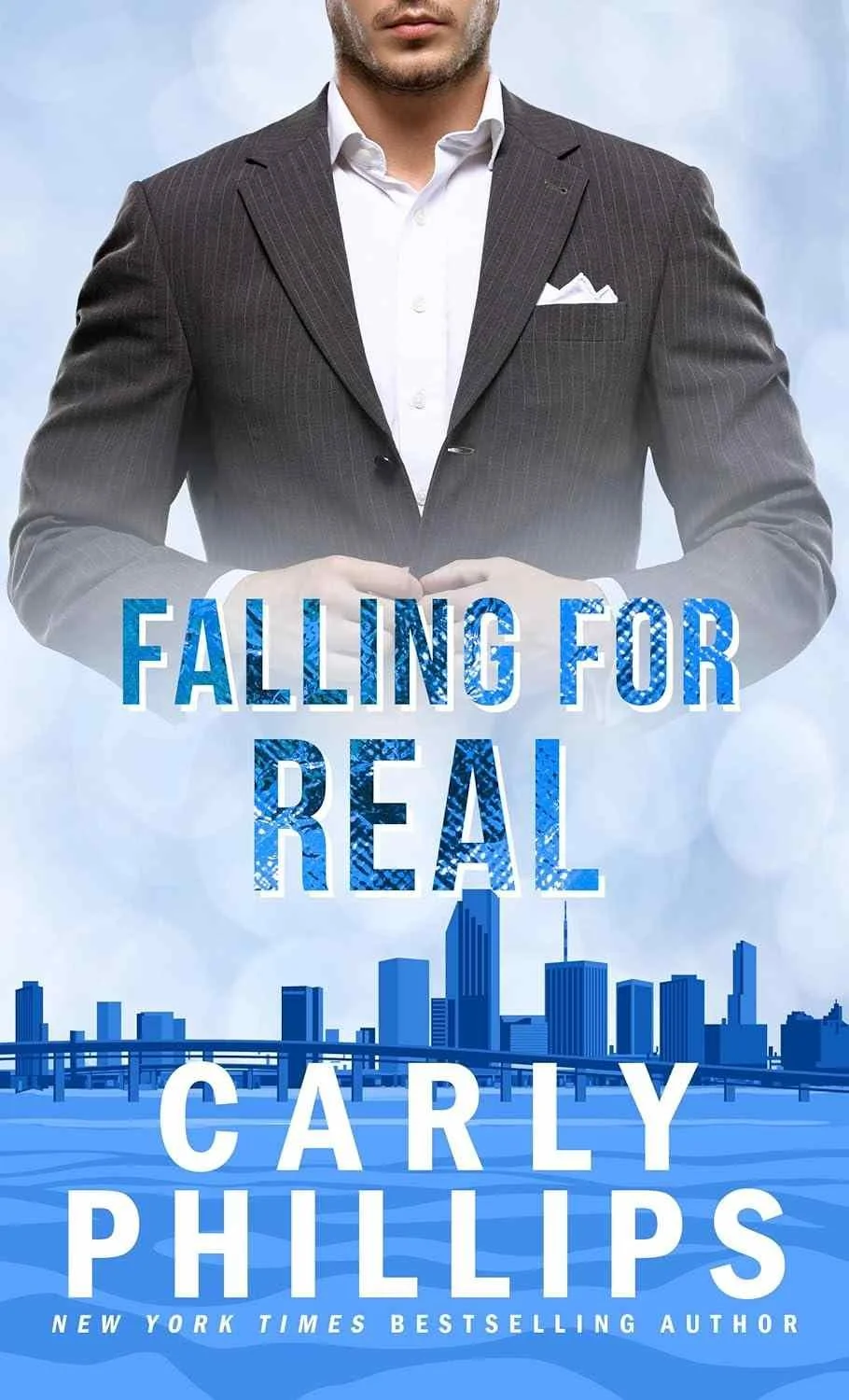
Falling for Real by Carly Phillips
This wedding weekend romance uses fake dating to turn an awkward situation into something unexpectedly romantic. When Lia ends up sharing a hotel room with her longtime crush Tristan, a surprise run-in with her ex leads to a fake boyfriend arrangement that quickly starts to feel real.
The fake dating setup works especially well in a destination wedding setting, where close quarters and constant events make it impossible to avoid each other or ignore their growing chemistry.
Why it works
Fake dating
Wedding weekend setting
Forced proximity
One bed trope
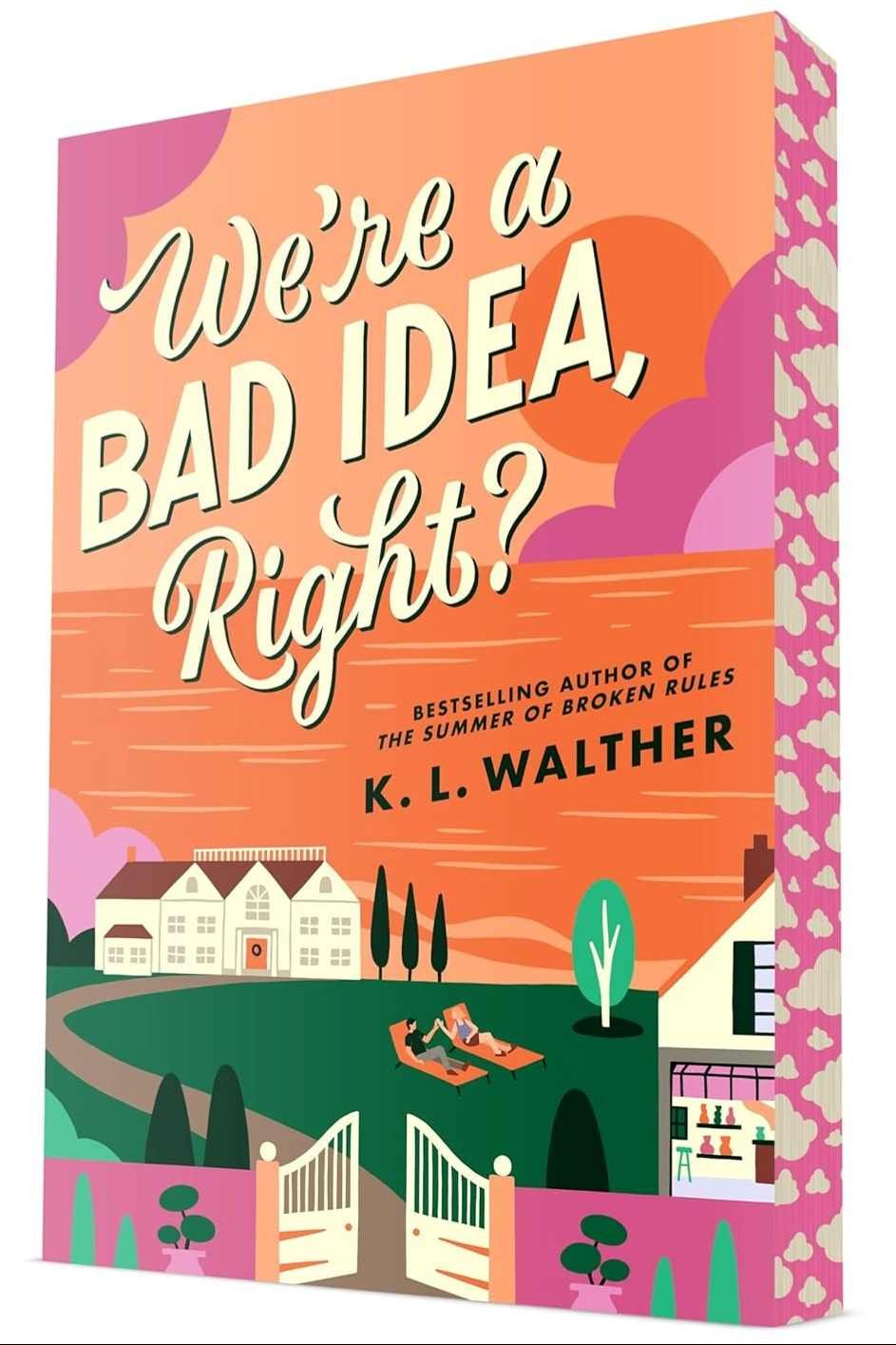
We're a Bad Idea, Right? by K. L. Walther
This friends to lovers romance uses fake dating as the catalyst for chaos when Audrey agrees to pretend to date her best friend Henry as part of his plan to win back his ex. What starts as a harmless scheme quickly becomes more complicated as their staged relationship begins to feel real.
The fake dating setup works especially well here because it pushes two longtime friends to confront feelings they have avoided, all while juggling secrets and high stakes decisions.
Why it works
Best friends to lovers
Fake dating to win back an ex
Coming of age themes
Emotional slow burn
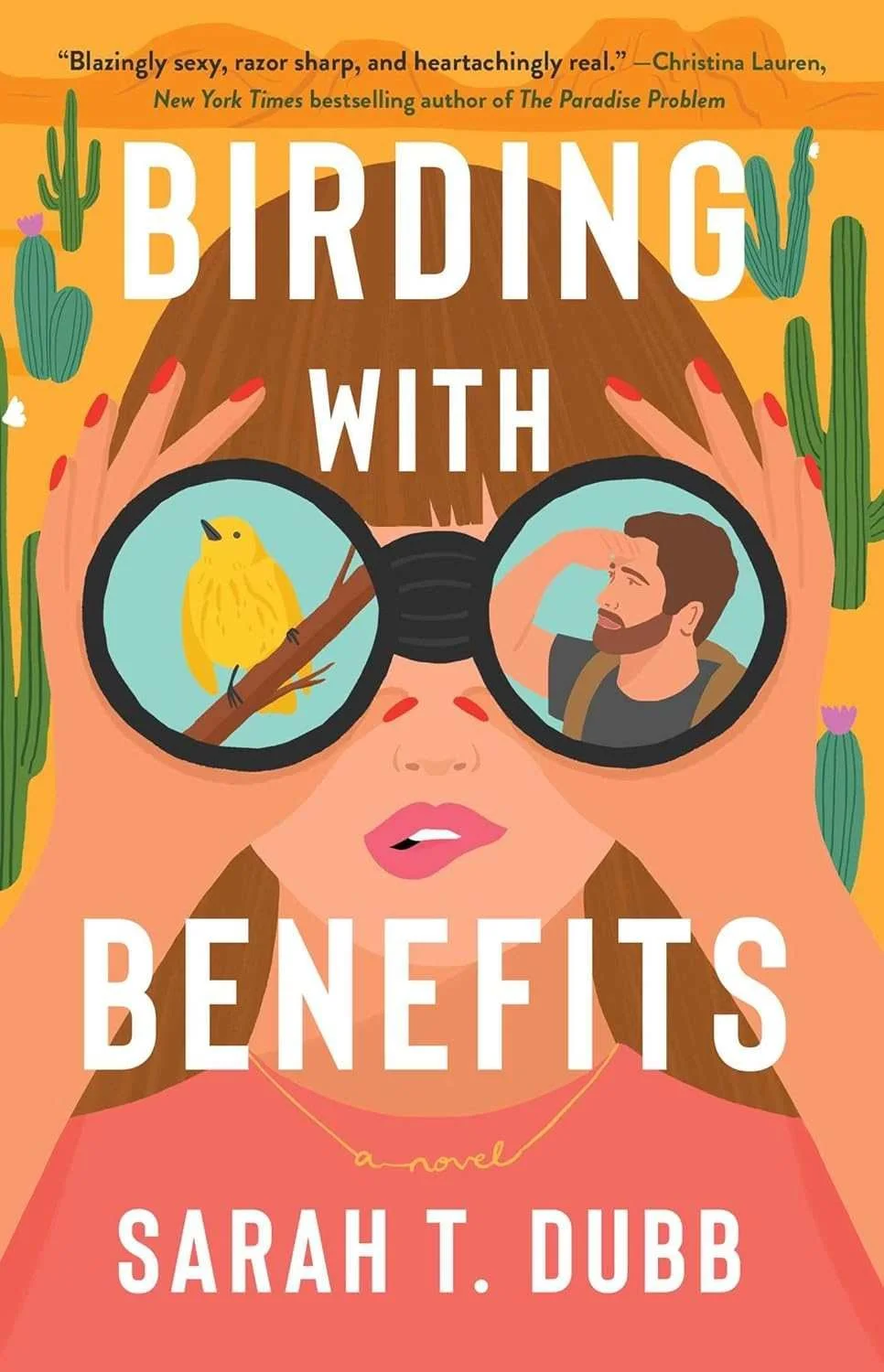
Birding with Benefits by Sarah T. Dubb
This charming romance uses fake dating to bring together a newly divorced woman and a shy birdwatcher who need to appear as a couple during a birding competition. What begins as a convenient arrangement soon turns into a genuine partnership as they spend long days together outdoors and grow closer along the way.
The fake dating setup works especially well here because their shared goal keeps them side by side, allowing their connection to deepen naturally over time.
Why it works
Fake dating as teammates
Forced proximity
Later in life romance
Slow burn connection
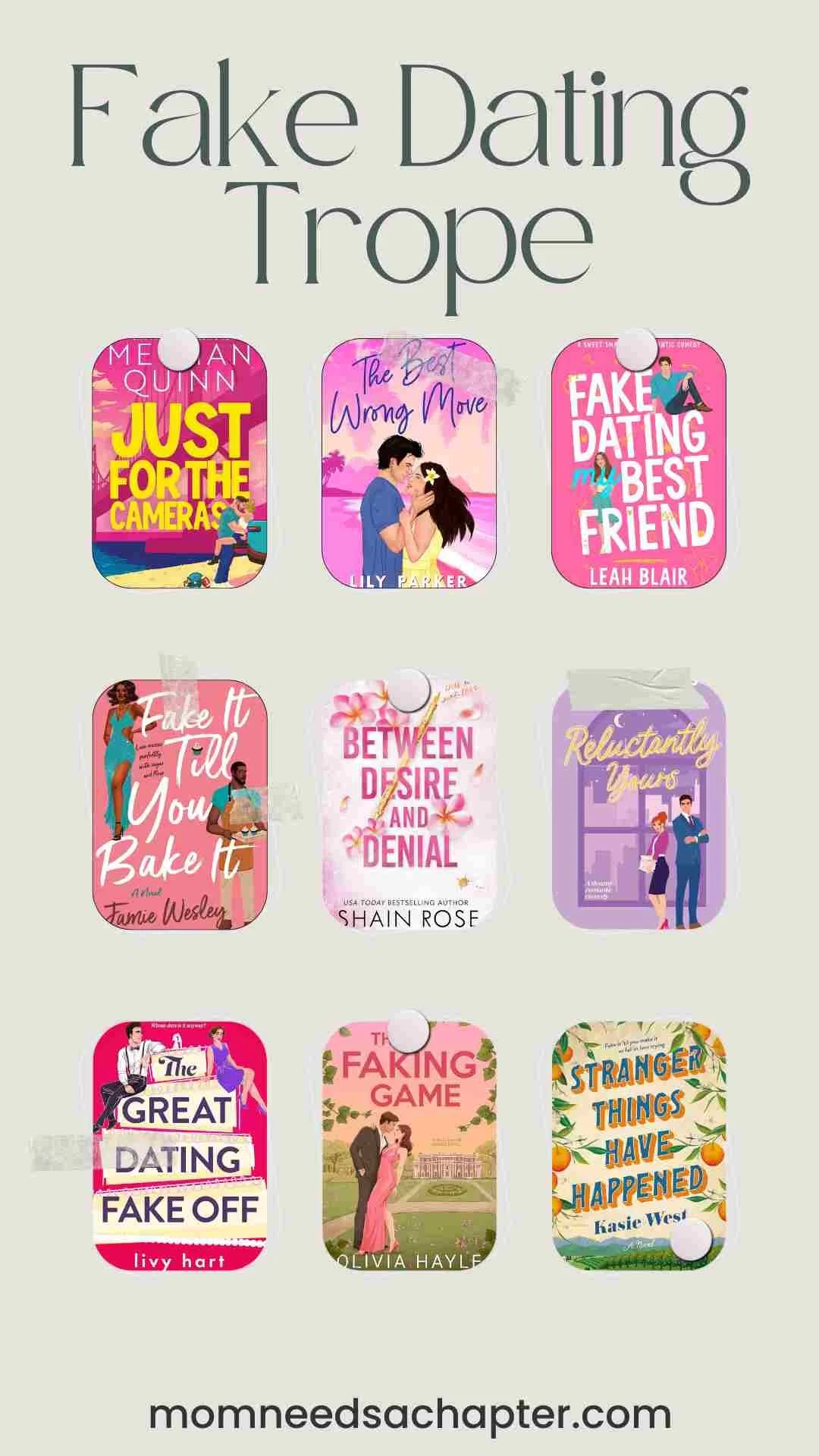
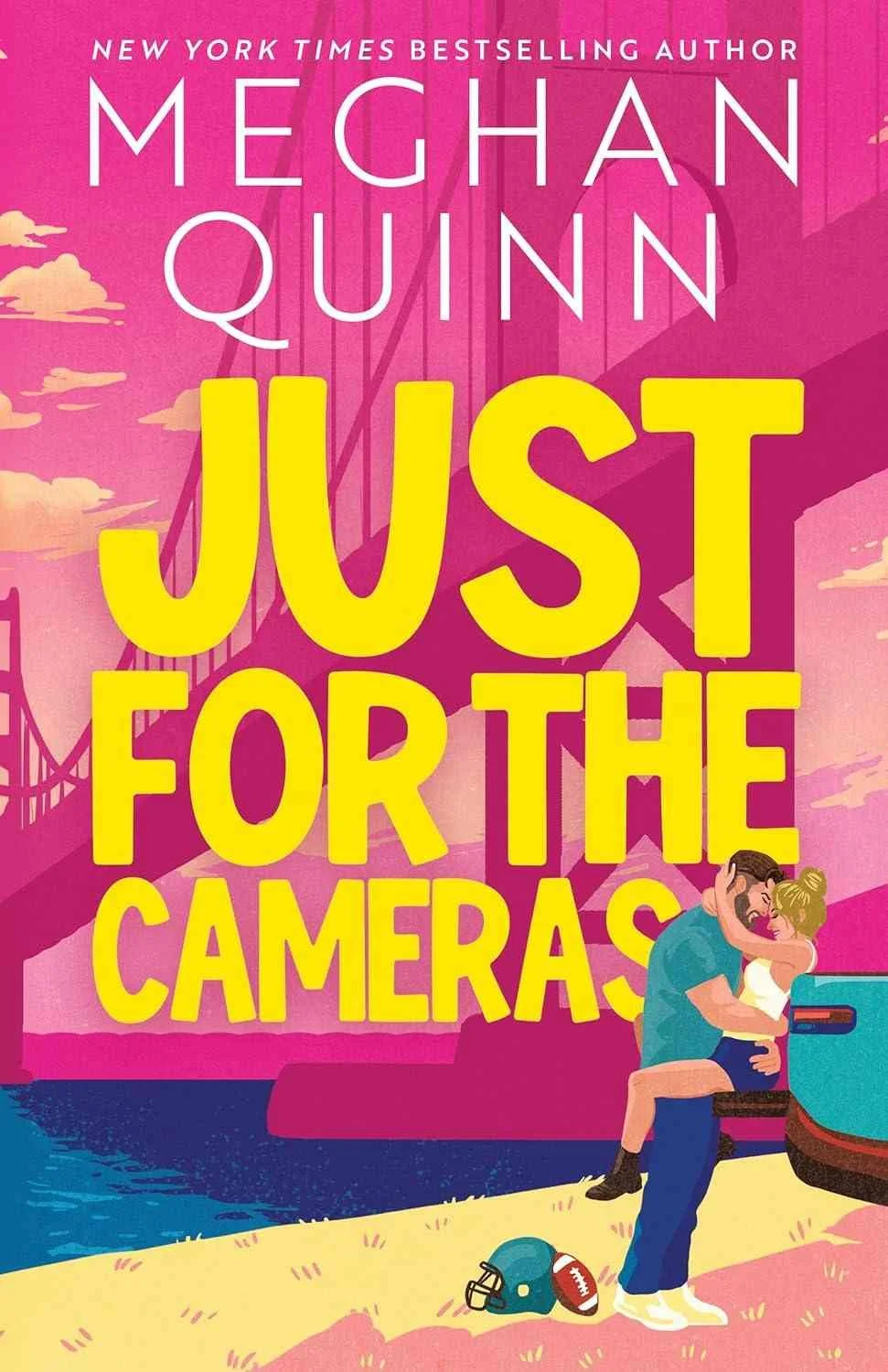
Just for the Cameras by Meghan Quinn
This sports romance uses fake dating as a publicity stunt when a reclusive football player and a passionate zookeeper agree to stage a relationship for media attention. What starts as a strategic arrangement for the cameras slowly turns into something more real as their time together increases.
The public relationship angle adds extra pressure, forcing both characters to confront feelings they never intended to develop.
Why it works
Fake dating for publicity
Sports romance setting
Grumpy and sunshine dynamic
Public relationship tension
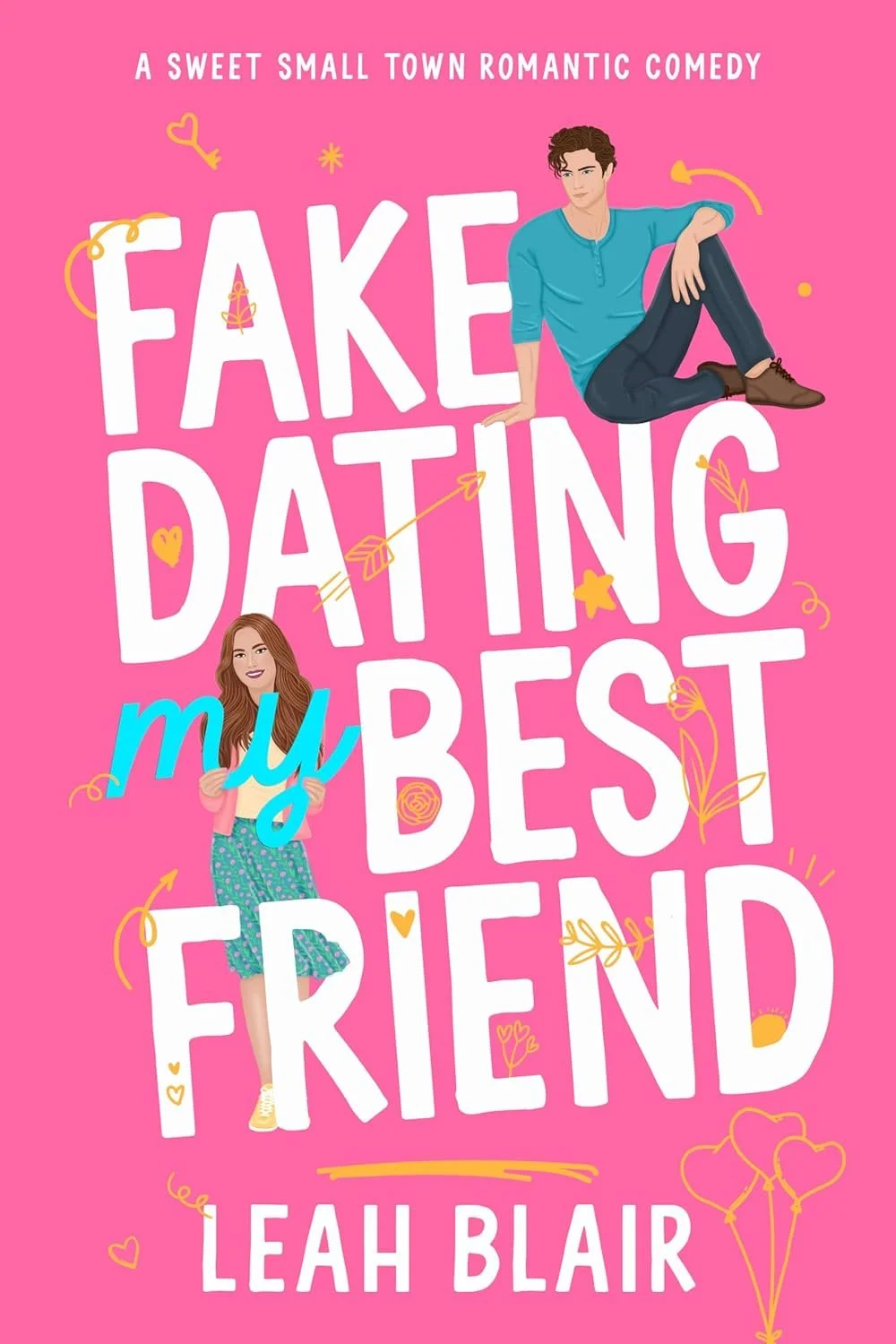
Fake Dating My Best Friend by Leah Blair
This friends to lovers romance uses fake dating to help a struggling matchmaker save her business when she enlists her childhood best friend Asher to pose as her boyfriend. What begins as a practical solution becomes more complicated as old feelings resurface and their pretend relationship starts to feel real.
The fake dating works especially well here because their long friendship raises the emotional stakes, forcing them to risk what they already have for the possibility of something more.
Why it works
Best friends to lovers
Fake dating for business
He falls first
Small town setting
Closed door romance with no spice

Daggermouth by H. M. Wolfe
This dystopian romance uses a forced political marriage rather than traditional fake dating, binding Greyson and Shadera together in a union meant to strengthen the ruling regime. Their marriage is a strategic arrangement designed for public appearances and political control, even as they remain enemies in private.
The marriage of convenience works especially well in this setting because their relationship is reminding them constantly that their survival depends on maintaining the illusion of loyalty while navigating a dangerous political system.
Why it works
Political marriage of convenience
Enemies to lovers
Dystopian setting
Forced proximity
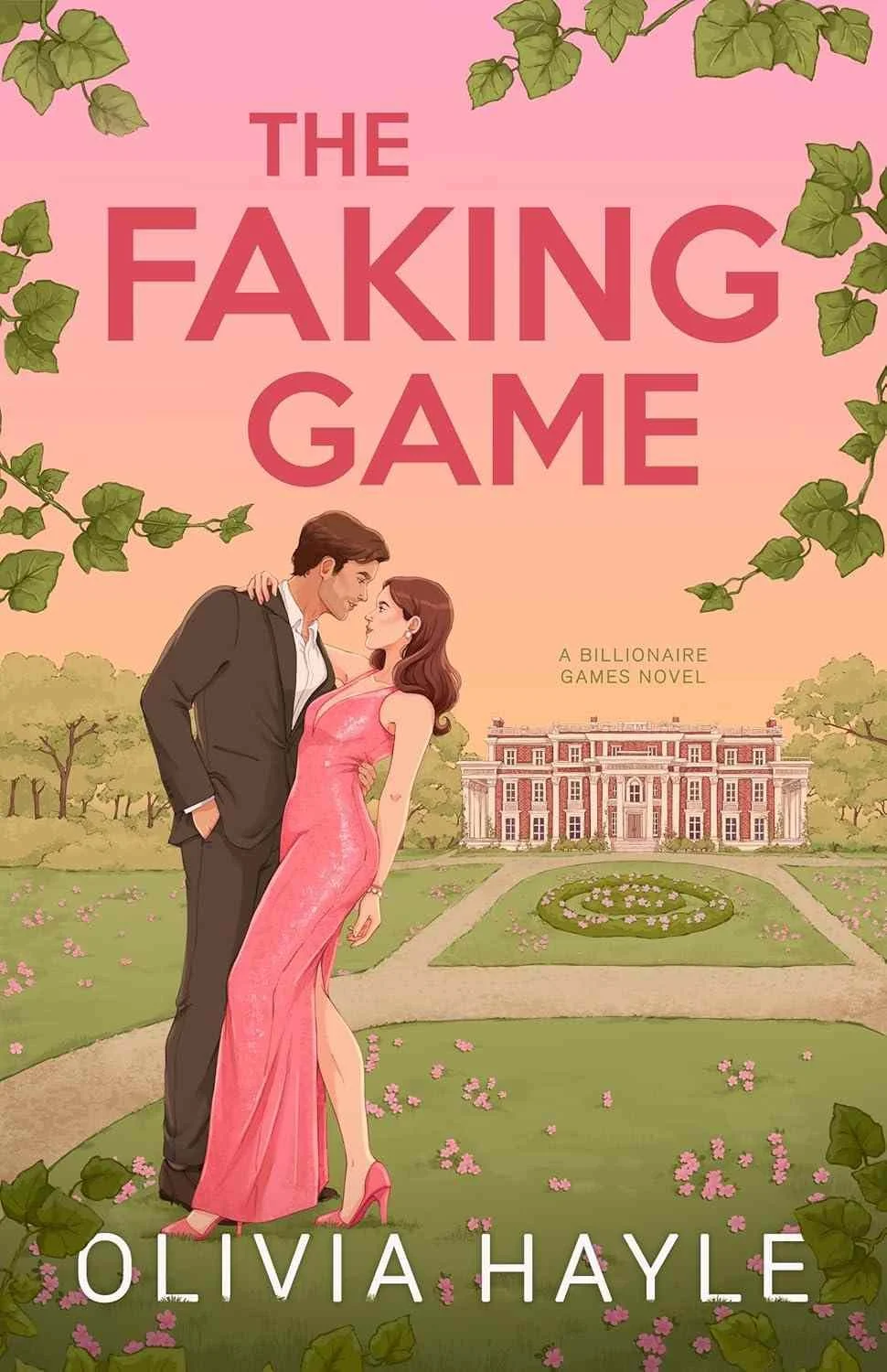
The Faking Game by Olivia Hayle
This billionaire romance uses fake dating as a way to create safety and security when West and his best friend’s sister agree to pretend to be in a relationship to discourage a persistent stalker. What begins as a protective arrangement becomes more complicated when their fake relationship includes private “dating lessons” that start to feel real.
The fake dating works especially well here because the lessons blur the line between practice and genuine emotion, raising the stakes as their connection deepens.
Why it works
Brother’s best friend
Fake dating for protection
Forced proximity
Billionaire romance
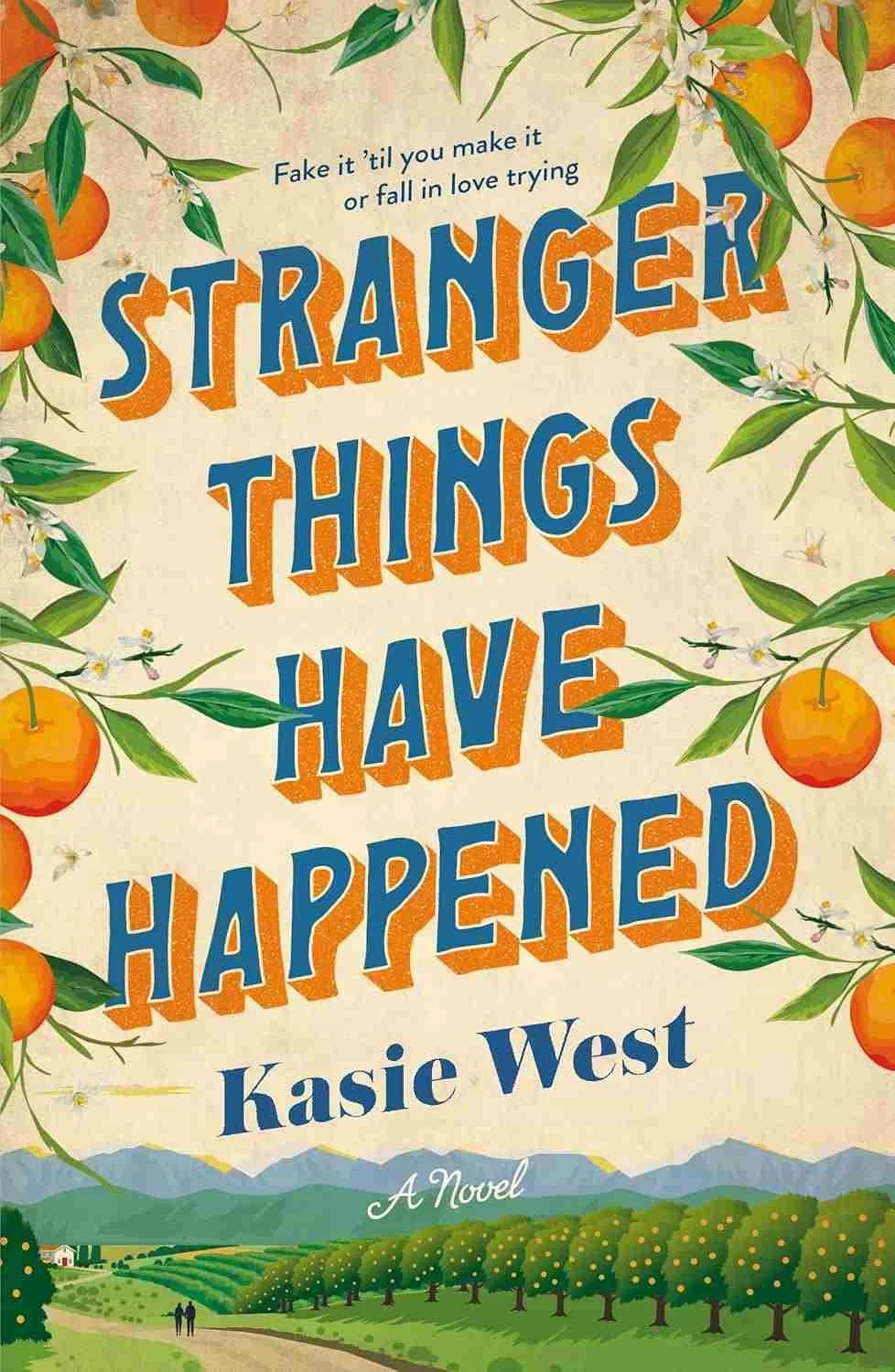
Stranger Things Have Happened by Kasie West
This romantic comedy uses fake dating in an unusual way when Sutton agrees to pretend she is engaged to a stranger named Elijah as part of a therapy experiment meant to help her friend’s relationship. What begins as a staged engagement for the sake of the sessions becomes more complicated as their chemistry makes it harder to separate performance from real feelings.
The fake dating works especially well here because the therapy setting forces them to examine their emotions closely, blurring the line between what is pretend and what might actually be real.
Why it works
Fake engagement
Forced proximity
Strangers to lovers
Emotional slow burn
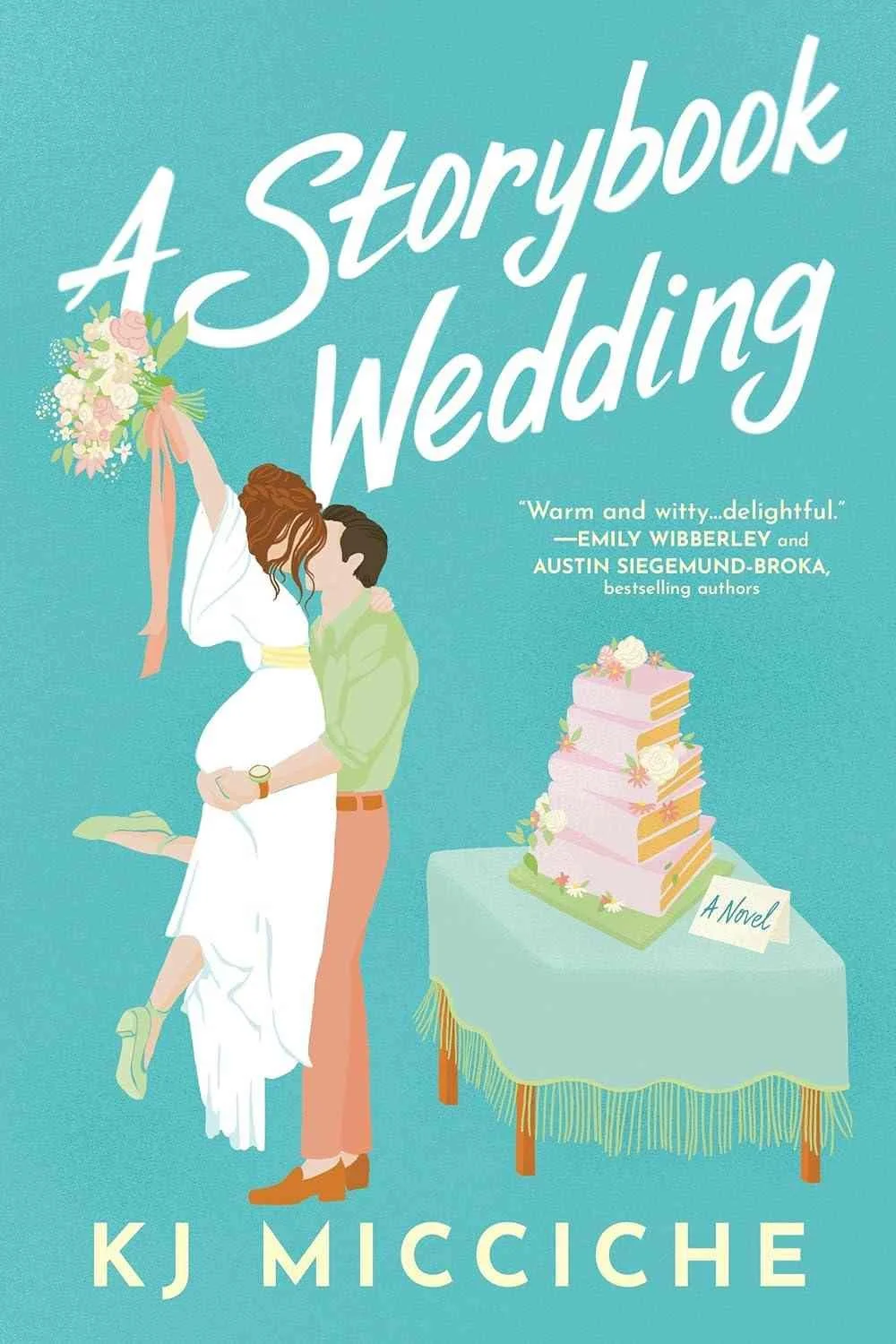
A Storybook Wedding by K J Micciche
This rom-com uses a fake marriage as the centerpiece when Cecily Jane and Nate are caught in a compromising situation during their MFA program and decide to elope to protect their reputations. Once back on Block Island, they must pretend to be a real married couple while balancing career ambitions and lingering attraction.
The fake relationship works especially well here because maintaining appearances in front of family and friends forces them to confront feelings they might otherwise ignore, making the pretend marriage feel surprisingly real.
Why it works
Fake marriage
Forced proximity
Bookish romance setting
Opposites attract
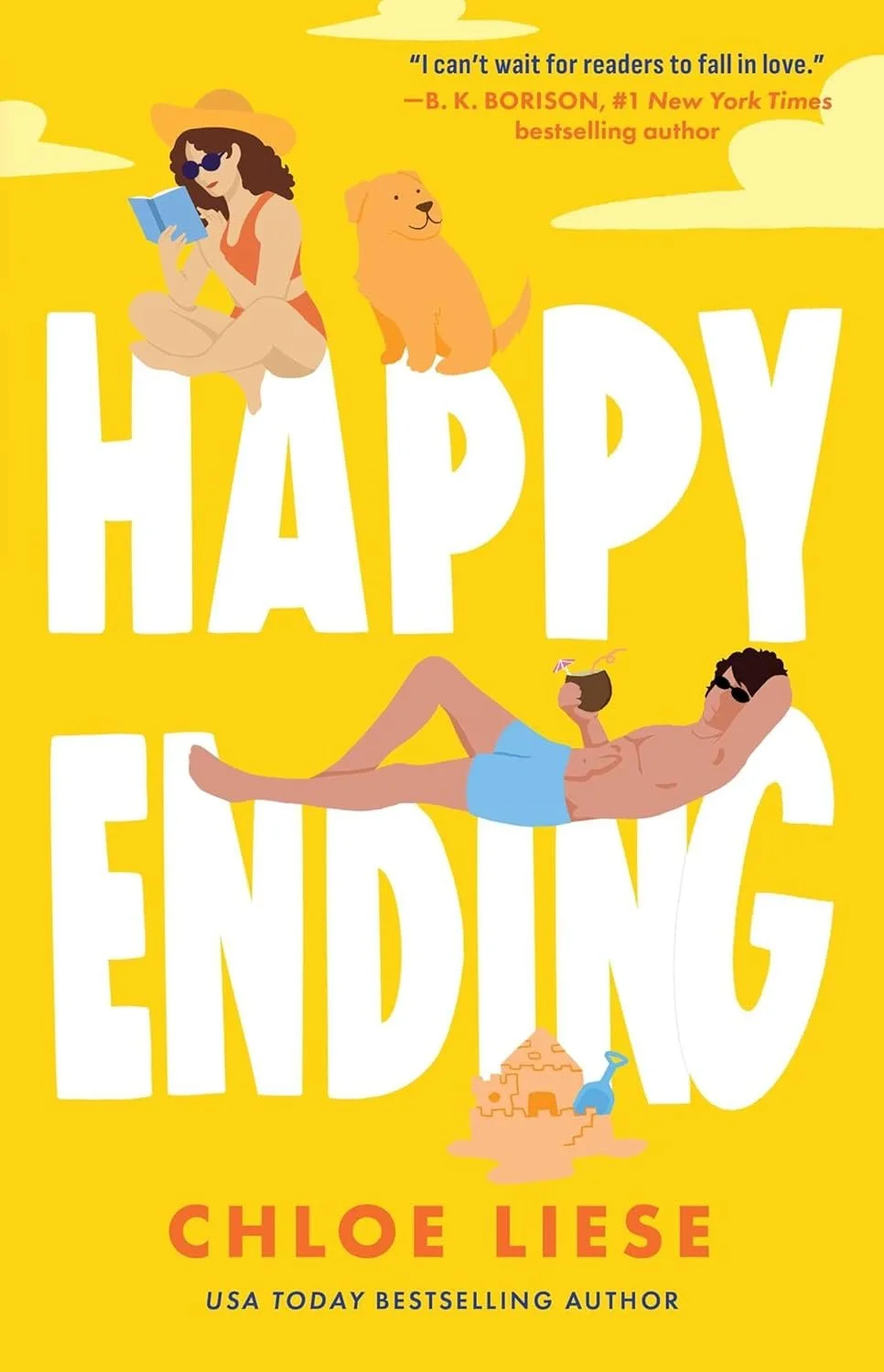
Happy Ending by Chloe Liese
This friends to lovers romance begins with a fake relationship that was originally created to deal with the fallout of two messy divorces. What started as a spite fueled story about being longtime loves has, over time, turned into a genuine friendship between Thea and Alex. When their exes invite them on a joint vacation, they are forced to keep up the act and confront the possibility that their feelings might not be pretend anymore.
The fake dating element works especially well here because the relationship has existed as a story for years, blurring the line between what was invented and what became real.
Why it works
Best friends to lovers
Fake dating for the exes
Vacation forced proximity
Slow burn romance
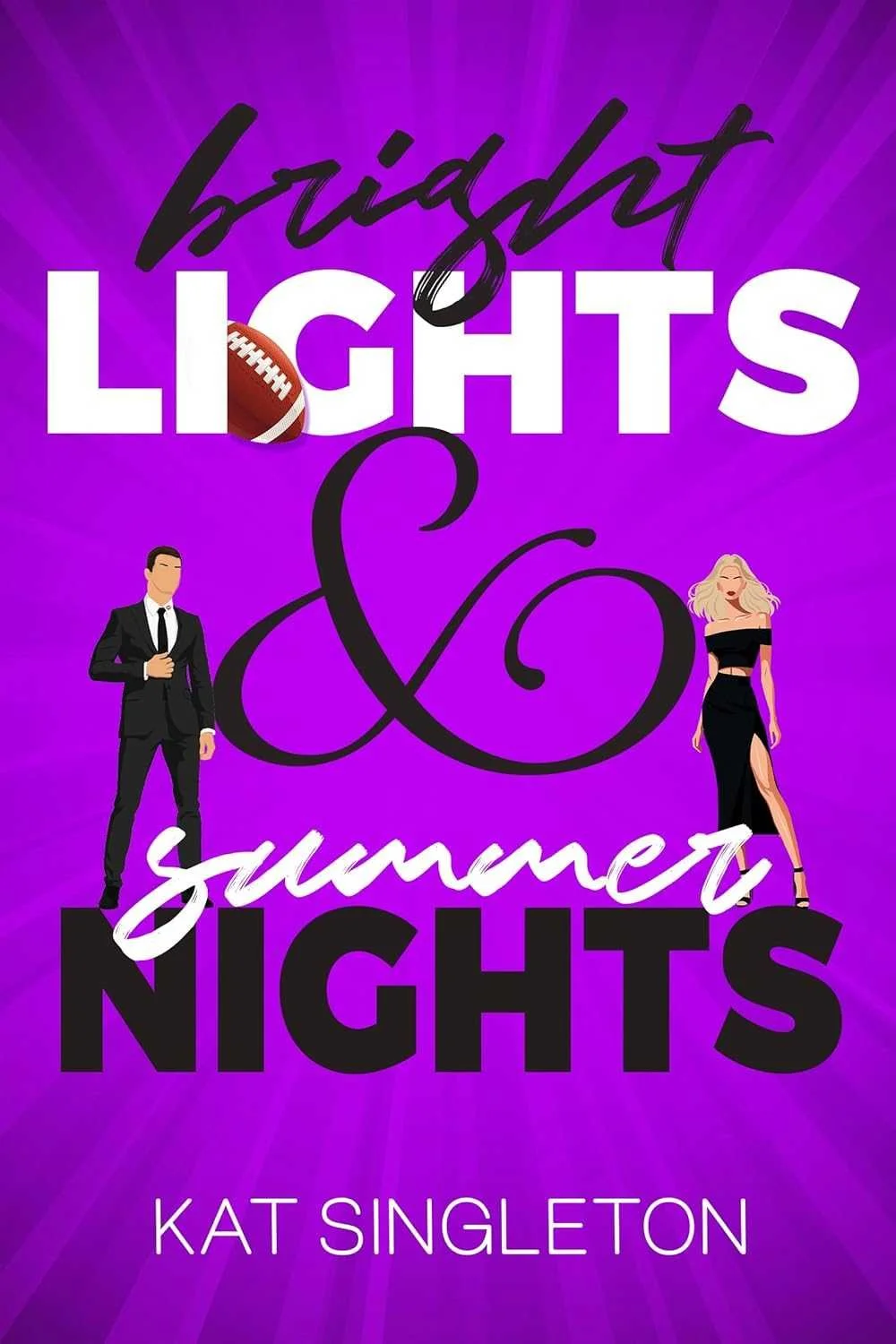
Bright Lights & Summer Nights by Kat Singleton
This billionaire sports romance uses fake dating to solve a wedding date dilemma when Preston, a superstar quarterback, asks Emma to pretend to be his girlfriend while his family is in town. What starts as a simple arrangement quickly becomes more complicated as their chemistry makes it difficult to keep the relationship strictly pretend.
The fake dating setup works especially well in the wedding setting, where constant events and family expectations force them to stay close and keep up appearances.
Why it works
Fake dating for a wedding
Sports billionaire romance
Forced proximity
Vacation setting
Why Fake Dating Still Feels Fresh
The fake dating trope continues to thrive because it combines familiarity with flexibility. Readers know the general shape of the story, but the details change from book to book.
Authors continue to find new ways to use the trope by blending it with other popular romance elements such as:
Enemies to lovers
Friends to lovers
Forced proximity
Second chance romance
Workplace romance
This flexibility keeps fake dating from feeling repetitive. Each story brings its own emotional journey.
The Emotional Payoff of Fake Dating
The best fake dating stories hinge on a turning point where the characters realize their feelings are real. That realization often happens quietly. A moment of jealousy. A moment of honesty. A moment where the act stops feeling like an act. Readers keep coming back to fake dating because of that transformation. The relationship begins as a performance and ends as something genuine. There is something deeply satisfying about watching characters discover that what they thought was pretend has become real.
Final Thoughts on the Fake Dating Trope
Fake dating remains one of the most beloved romance tropes because it delivers both emotional tension and romantic payoff. It allows characters to explore connection in a structured way while still leaving room for vulnerability and growth.
For romance readers, fake dating offers the best of both worlds. It provides the comfort of a familiar setup and the excitement of watching love develop in unexpected ways.
If you are looking for romance novels that balance humor, tension, and emotional depth, fake dating stories are always a good place to start.